Here's the test I apply to any transport system: could a competent fifteen-year-old get from their house to a part-time job, a training session and back home after dark, without a parent driving them? In much of northern Geelong the honest answer is no.
That's not because the network doesn't exist. It's because the network is built around a different assumption — that everyone has a car, and public transport is a supplement rather than a lifeline.
01 / The strengthThe rail corridor is genuinely good.
Lara sits on the main Geelong–Melbourne line, and that is a significant asset. Regular services to Southern Cross, and to central Geelong in the other direction. For a commuter with a car to drive to the station, it works well — and it's the single biggest reason Lara has grown the way it has.
Corio and North Shore also sit on the line. So the spine is there. The problems begin the moment you need to get to the spine, or travel anywhere that isn't along it.
02 / The weaknessThree structural gaps.
Figure 01 · The real problems
Not coverage. Frequency, span and connection.
Frequency
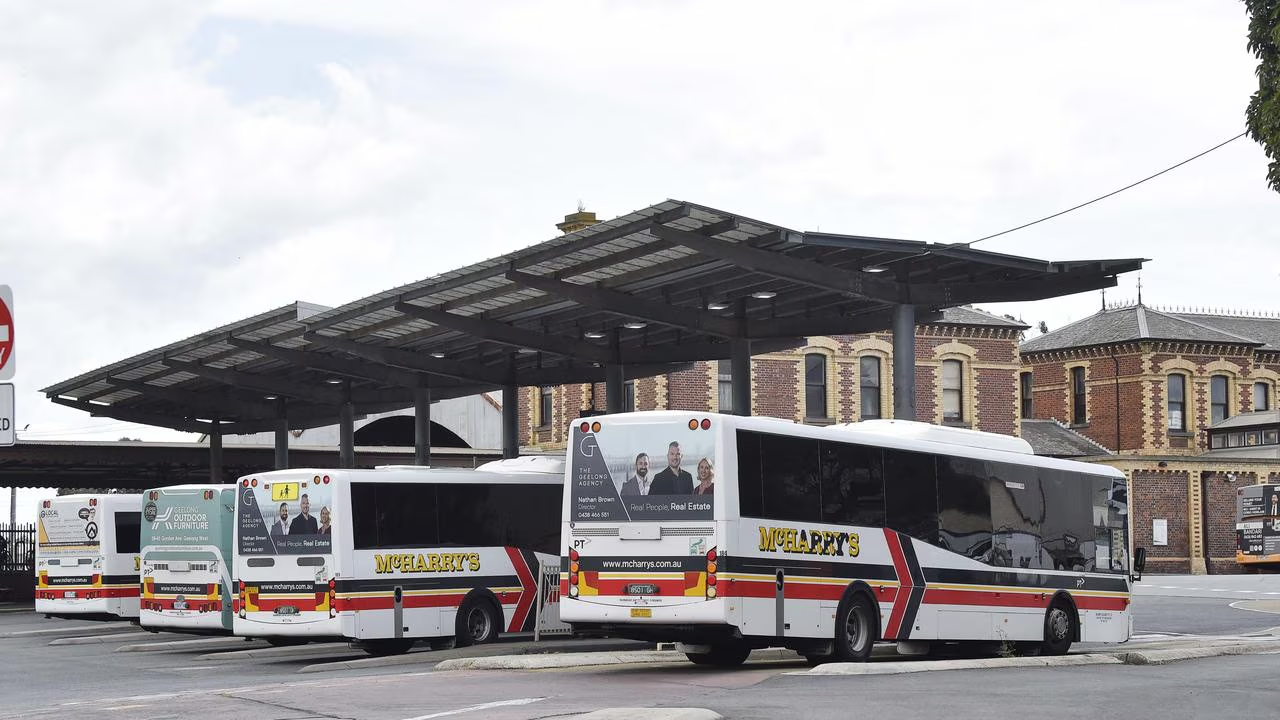
A bus route that exists but runs hourly is not a usable option for most trips. Anything less frequent than roughly every twenty minutes requires planning your day around the timetable, which most people simply won't do.
Span of hours
Services that stop early in the evening and thin out badly on weekends exclude exactly the people who need them: shift workers, hospitality staff, teenagers at training, anyone whose life doesn't run nine to five.
Connection quality
A bus that arrives two minutes after the train leaves is not a connected network. Poor interchange timing turns a 40-minute journey into 70, and it's the difference between a system people use and one they abandon.
The last kilometre
Getting to the stop matters as much as the service. Missing footpaths, unlit routes, unsafe crossings and no bike parking all suppress patronage before anyone boards.
Coverage maps make a network look adequate. Frequency and span tell you whether it's actually usable. Almost every transport argument in northern Geelong is really an argument about frequency.— David Greenwood OAM
03 / AvalonOne genuine improvement worth naming.
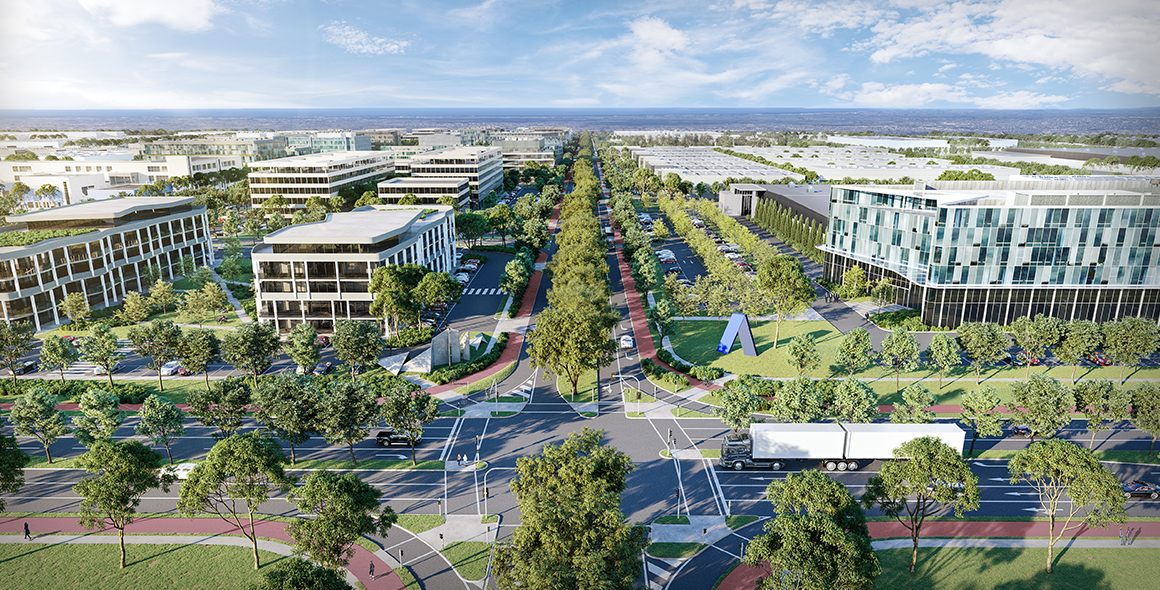
Credit where it's due. A seven-day bus route now connects Avalon Airport and the surrounding employment precinct to Lara Station, with stops at the precinct as well as the terminal. That is a real change, and it matters more for local jobs than for travellers.
It also demonstrates the point exactly: the service was created because there was an obvious economic reason and a specific advocate. The same logic applies to a dozen other connections in the north that don't yet have one.
04 / Who pays the priceTransport disadvantage isn't evenly spread.
Figure 02 · Who is actually affected
The people a car-based network excludes.
| Group | What they lose |
|---|---|
| Young people under 18 | Part-time work, training, sport, social life — all mediated by a parent's availability to drive. This directly limits employment experience and independence. |
| Older residents after they stop driving | Medical appointments, shopping, social contact. Loss of a licence in a car-dependent suburb is often the trigger for leaving the community entirely. |
| Single-car and no-car households | One car serving two working adults means someone is always constrained. Running a second car is a substantial annual cost that poor transport effectively makes compulsory. |
| Shift and hospitality workers | Services that don't run early or late make entire categories of employment inaccessible without a car. |
| People with a disability | Accessibility of stops, paths, vehicles and information — where any link fails, the whole journey fails. |
Transport isn't a standalone issue. It's the delivery mechanism for employment, health, education and social connection. Poor transport quietly limits all four.
05 / Who's responsibleAnd where council actually fits.
Trains and buses are state responsibilities. Council does not run them, and any councillor who implies otherwise is overselling. But council is far from powerless, and the parts it holds are the parts that determine whether services get used.
Figure 03 · Local levers
Four things council genuinely controls.
The last kilometre
Footpaths, lighting, crossings, bike parking and shelter around stops and stations. Council owns almost all of this, and it directly affects whether people can reach a service.
Land use
Approving housing density near stations and transport corridors, rather than dispersing growth to places no bus can efficiently serve. This is the most powerful long-term lever council has.
Evidence and advocacy
Councils can gather and publish local data on unmet demand. A submission with counted evidence is far harder for a transport department to set aside than a general request.
Local and community transport
Community transport, volunteer driver programs and service coordination sit within council's reach and can genuinely fill gaps for older and less mobile residents.
06 / What I'd argue forThree concrete asks.
One. Frequency before coverage. A smaller number of routes running properly beats a wider network nobody can rely on. Where a choice has to be made, make services usable rather than merely present.
Two. A safe, continuous walking and cycling route between Lara township and Lara Station, and between the township and the employment precinct. This is council's own responsibility, it is comparatively cheap, and it would immediately widen who can access both.
Three. Published local evidence. Count the demand, survey the unmet trips, publish it, and take it to the department annually. Advocacy without data is a letter. Advocacy with data is a case.
Tell me about a specific journey you can't make. Not "the buses are bad" — the actual trip: where from, where to, what time, and what goes wrong. Named, timed, specific journeys are what make a transport submission persuasive. Email david@centrestage.org.au with "Transport" in the subject.