Every growth-area school eventually hits the same wall: enrolments outpace the building program, and portable classrooms arrive as the stopgap while a permanent expansion or a new school works through funding and construction timelines that run in years, not months.
01 / Who's actually responsible
School planning, funding and construction in Victoria sit with the state government through the Department of Education — not with the City of Greater Geelong. Council doesn't build or fund schools, and it doesn't set enrolment zones. What council does control is land use planning around schools — buffer zones, safe routes to school, traffic management — and it has a formal advocacy role in flagging growth pressure to the state before it becomes a crisis, not after.
Figure 01 · The funding trigger problem
Why new schools always seem to arrive late.
02 / What actually helps, locally
Local levers
- Push growth-corridor enrolment data to the Department of Education early and publicly
- Fund safe walking/cycling routes to existing schools
- Ensure new precinct structure plans reserve school sites before land is fully built out
State-level decisions
- Whether and when a new school is funded
- Enrolment zone boundaries
- Teacher staffing allocations
03 / The advocacy case
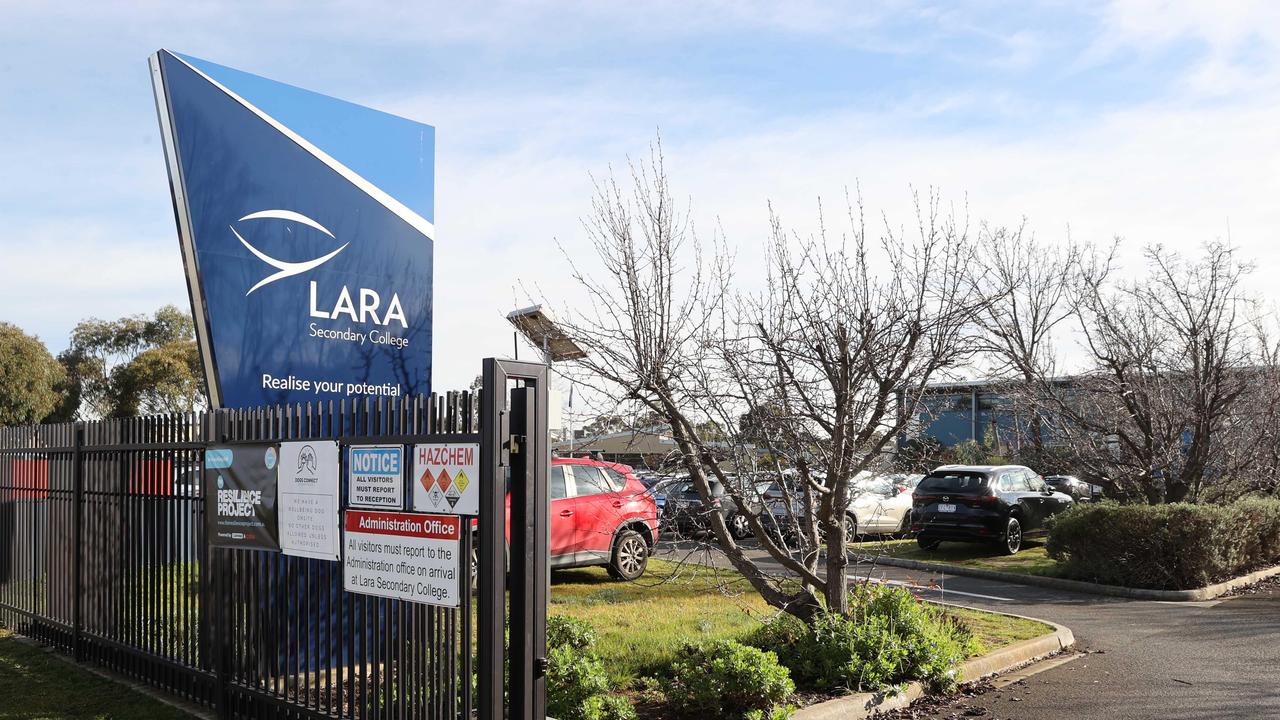
The single most useful thing a local councillor can do on this issue is make growth-corridor enrolment pressure impossible to ignore — publishing local numbers, backing community campaigns for a funding commitment, and keeping the timeline for a new or expanded school on the public record so it can be checked against what's delivered.
04 / How enrolment zones actually work
Every Victorian government school has a designated neighbourhood boundary, and students living inside it are guaranteed a place. Outside it, enrolment depends on available capacity. When a school reaches capacity, the practical effect is that the zone tightens — not formally redrawn overnight, but in the sense that out-of-zone applications stop being accepted.
This is where growth areas produce genuinely difficult situations. A family buys in a new estate on the reasonable assumption their children will attend the nearest school. If that school hits capacity before the estate finishes building, later arrivals in the same estate may find themselves travelling considerably further — sometimes to a school in a different suburb entirely, on a route with no direct bus.
Figure 02 · What capacity pressure actually looks like
| Stage | What families experience |
|---|---|
| School has spare capacity | In-zone and out-of-zone enrolments both accepted; classes comfortably sized |
| Approaching capacity | Out-of-zone enrolments closed; siblings of existing students still prioritised |
| At capacity | Portable classrooms installed; specialist spaces (art rooms, libraries) sometimes converted to general classrooms |
| Over capacity | Strict in-zone-only enrolment; some in-zone families directed elsewhere; play space per student declines |
The compounding problem: portable classrooms take up oval and play space, so the school gets more crowded in two ways at once — more students, and less of the outdoor space that made the site work.
05 / Early years, not just schools
Kindergarten and childcare capacity is a separate and often more acute pressure than primary school capacity, and it's one where council genuinely does have a direct role. Councils in Victoria are responsible for planning and often operating early years infrastructure — maternal and child health centres, and in many cases kindergarten facilities.
Victoria's rollout of funded three-year-old kindergarten significantly increased demand for kindergarten places statewide. In a growth area, that increase lands on top of ordinary population growth. Unlike school capacity, this is a pressure a council can act on directly through its own capital program — which makes it one of the clearest tests of whether a council is genuinely planning for growth or just reacting to it.
06 / Safe routes to school
Council's most direct education-related lever isn't classrooms at all — it's how children get to them. A school at capacity generates a traffic problem twice a day, and the single most effective response is making it genuinely safe for more children to walk or ride rather than be driven.
Genuine infrastructure
- Continuous footpaths on both sides of the routes children actually use
- Signalised or supervised crossings at the pinch points, not 200m away from them
- Separated paths where speed limits are above 50km/h
- Secure bike parking at the school gate
Signage alone
- A 40km/h sign without any physical change to the road
- A crossing installed where it was cheapest rather than where children cross
- Encouragement campaigns without the footpath to walk on
07 / What I'd actually push for
Council can't fund a school. It can do four things that genuinely matter: publish growth-corridor enrolment pressure data so the state can't claim it wasn't warned; reserve and protect school sites in precinct structure plans before land is fully built out; fund safe walking and cycling routes to every school in the ward; and treat kindergarten capacity as a council capital priority rather than an afterthought, because that part actually is council's job.
The advocacy point worth repeating: growth-area schools aren't crowded because of poor management. They're crowded because the funding trigger sits behind the growth rather than ahead of it. Fixing that sequencing is a state decision — but a council that documents the gap loudly and publicly is the reason those decisions get made earlier rather than later.