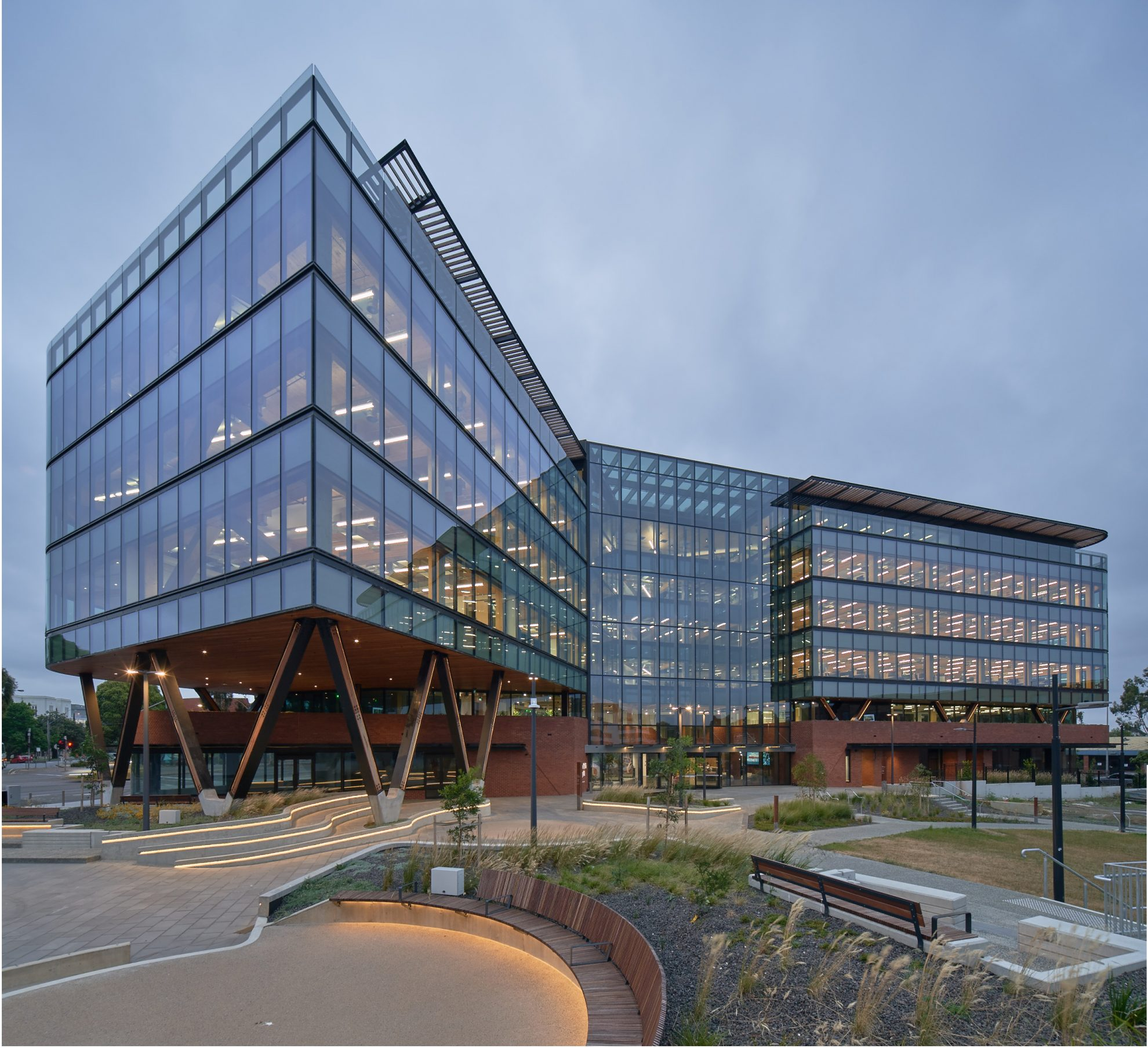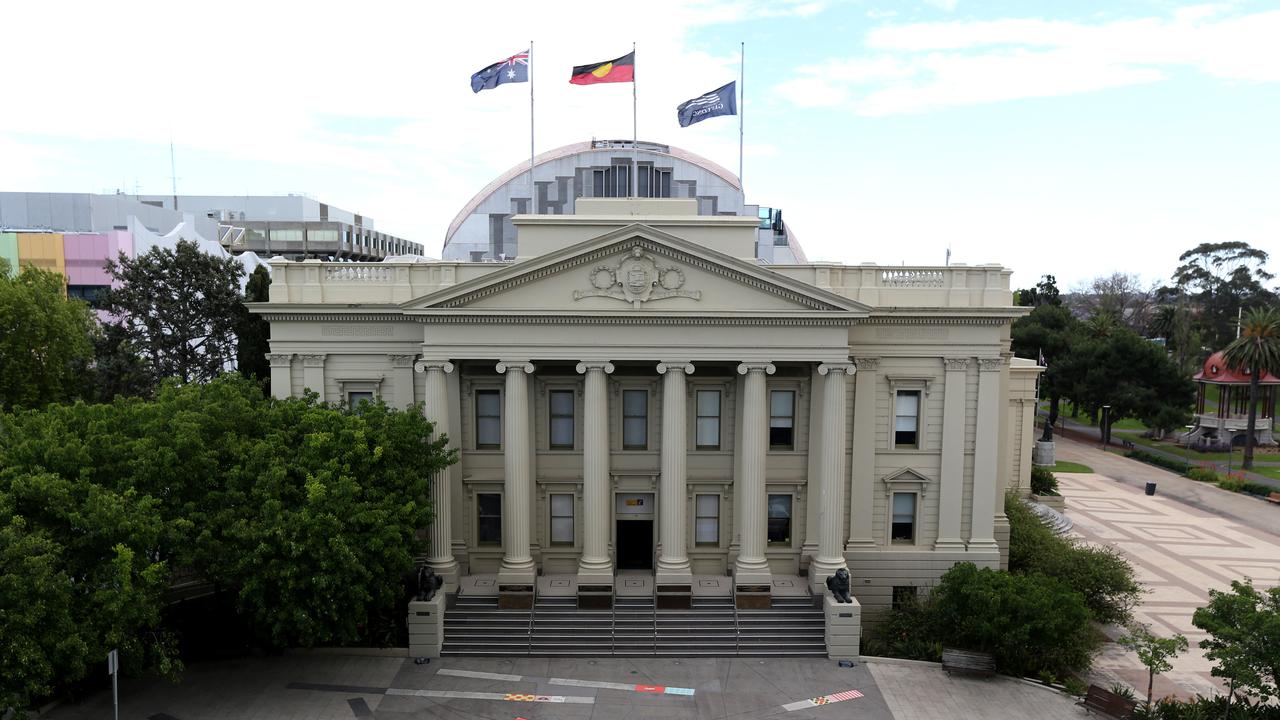
Every fortnight or so, eleven councillors sit in a room at Wurriki Nyal and decide things. The agenda is published days in advance. Anyone can attend, anyone can submit a question, and anyone can watch the stream. The public gallery is usually a handful of people, most of whom are there for one item. Here's how to be one of them, effectively.
01 / Before the meeting: read the agenda
The agenda is published on council's website about five days before. It's long — often hundreds of pages — but you don't read it cover to cover. You search it for your suburb, your street, your issue. Every item has an officer's report with a recommendation at the top. That recommendation is what councillors are voting on unless someone moves an alternative.
Figure 01 · Reading an agenda item
The parts that matter.
02 / Public question time
Most councils, Greater Geelong included, set aside time at the start of ordinary meetings for questions from the public. Questions are usually submitted in writing before a deadline — check the current rules on council's website, they change. The question is read out, and a councillor or officer responds. It goes in the minutes. That last part is the point: a question in the minutes is a permanent public record that council was asked, and what it said.
A good public question
- One issue, specific, under 100 words
- Asks for a fact, a date, or a commitment — not an opinion
- Names the street, the reserve, the permit number
- Can be answered yes/no or with a number
A wasted question
- A speech with a question mark at the end
- Three issues in one
- "Why doesn't council care about…"
- Something already answered in the agenda
03 / The words that mean something else
Figure 02 · Council vocabulary, translated
| They say | It means |
|---|---|
| "Deferred" | Not decided tonight. Might come back next meeting; might not come back for months. Ask when. |
| "Noted" | Council acknowledges it exists. No action required or promised. |
| "Referred to budget" | It might get funded next financial year, competing with everything else. Not a commitment. |
| "Officers to investigate" | A report will come back. Ask when, and whether it's funded. |
| "In principle" | Council likes the idea. Nothing is funded or scheduled. |
| "Alternative motion" | A councillor is proposing something different to the officer recommendation. This is where things actually change. |
| "Lost on the casting vote" | 5–5, and the mayor decided. Check who voted which way. |
04 / Why turning up matters
Councillors are human. A gallery with thirty residents in it, all there for item 7.3, changes how item 7.3 is debated. Not because councillors are swayed by numbers — though some are — but because it signals the issue has a constituency that will remember the vote. The caravan park approval in December 2025, against officer advice, happened in a room with supporters in it. That's not a coincidence and it's not corruption. It's how representative democracy is supposed to work.
05 / The practical checklist
- Subscribe to council's agenda notifications so you know when your issue is listed.
- Submit a public question before the deadline — in writing, one issue, specific.
- Turn up, or watch the stream and note who said what.
- Read the minutes a few days later. Check the vote was recorded the way you saw it.
- Email your councillor afterwards — thank them if they moved it, ask why if they didn't.
Council is more responsive to who's in the room than to almost anything else. The room is usually empty. That's the opportunity.— David Greenwood OAM