Every town has a handful of corners that hold its history. In Lara they're mostly within a kilometre of each other: the strip, the station, the shire, the show ground. Put a photograph from fifty years ago beside one from today and the pairs tell you more about what happened here than any planning document.
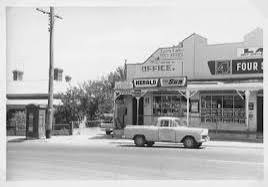
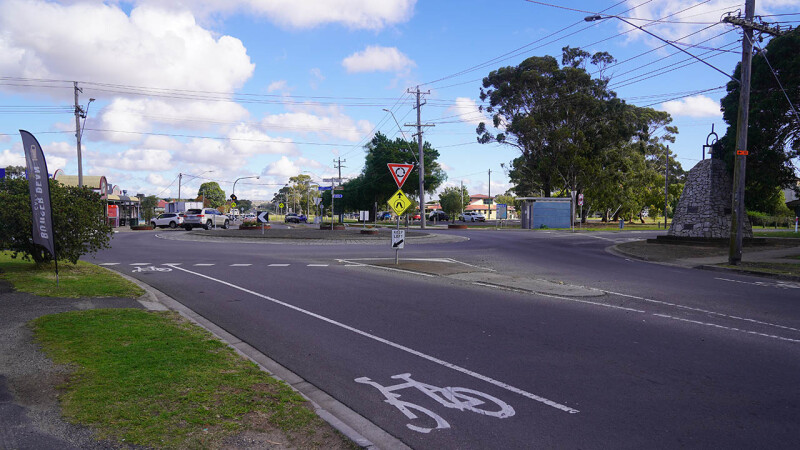
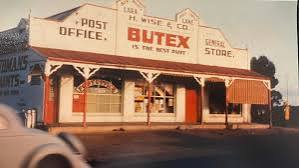
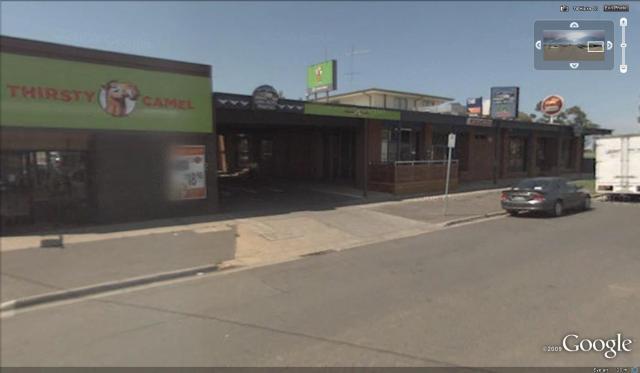
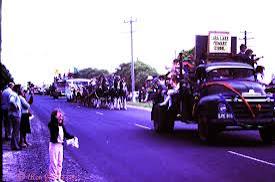
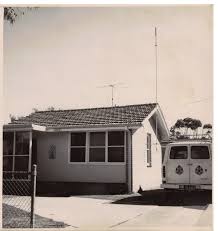
The historical images below come from local archives and the Lara & District Historical Society, each paired with a present-day view of the same part of town.
Figure 01 · The pairs
| Place | Then | Now |
|---|---|---|
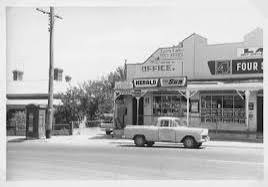
| The shopping strip | A general store and post office in one building; a newsagent with a utility nose-in | Cafés, a chemist, an agent — and a supermarket precinct carrying most of the trade |
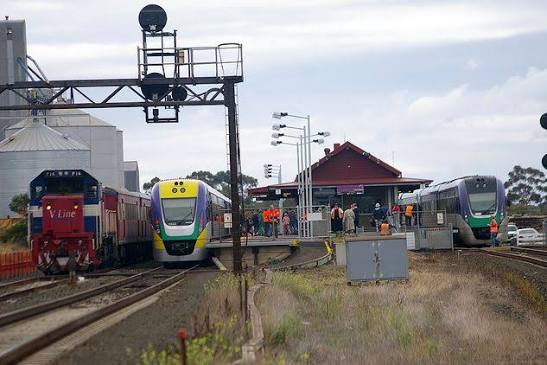
| The station | A country platform serving a farming town | Three trains in the platforms, a full car park by seven |
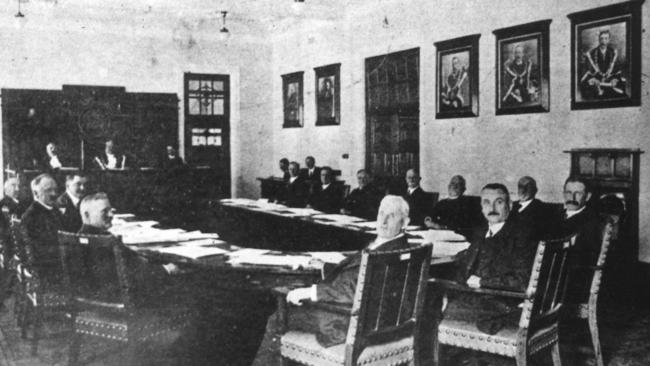
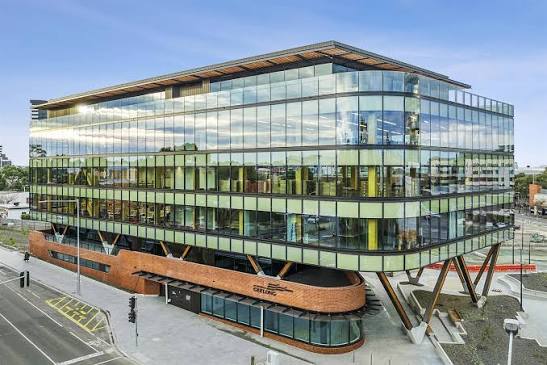
| The shire | An independent council in session, deciding for itself | One ward of eleven, decided at Wurriki Nyal |
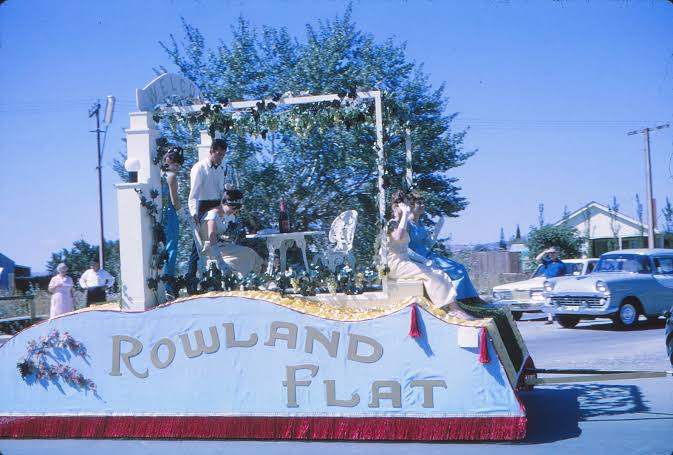
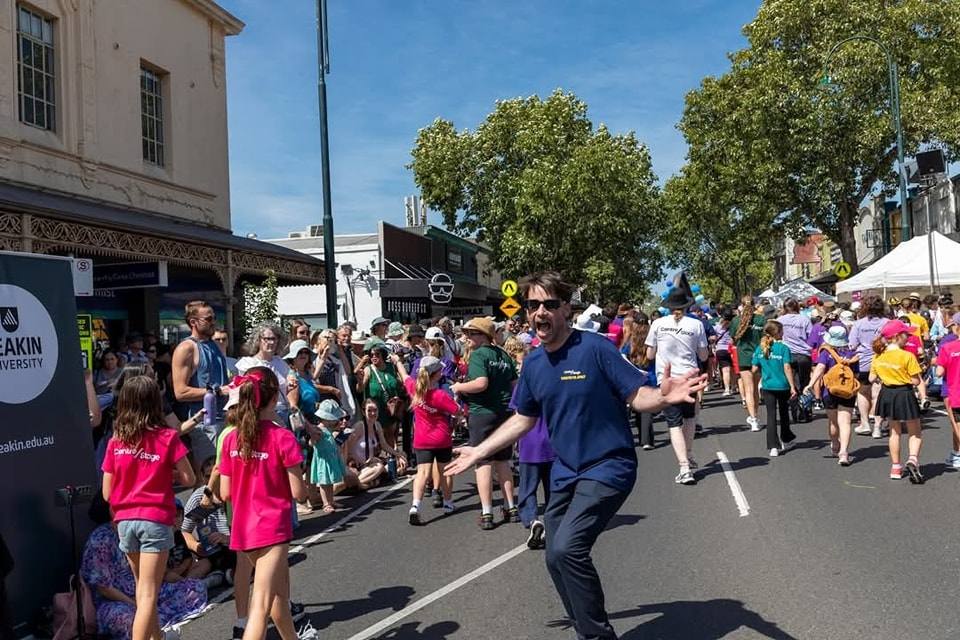
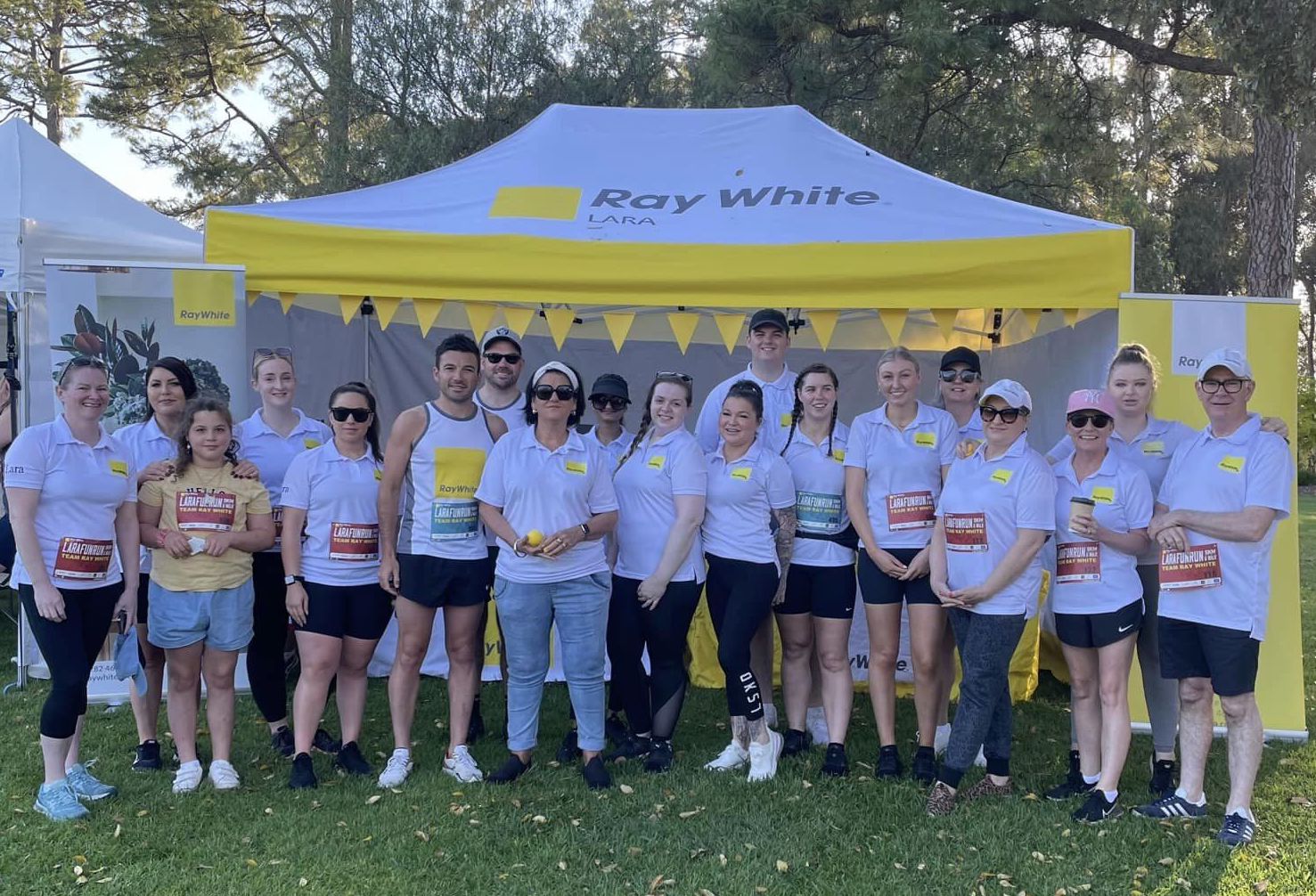
| Community life | Parade floats down the main road, the whole town on the kerb | The tradition moved to Geelong; it didn't stop |
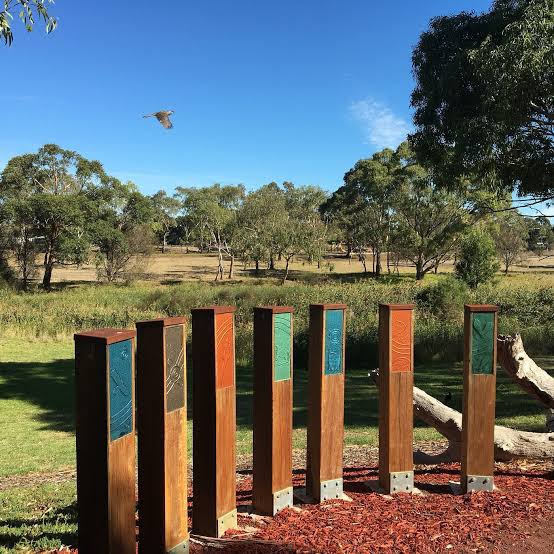
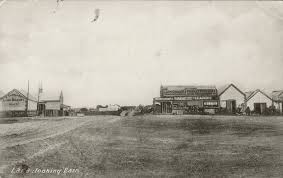
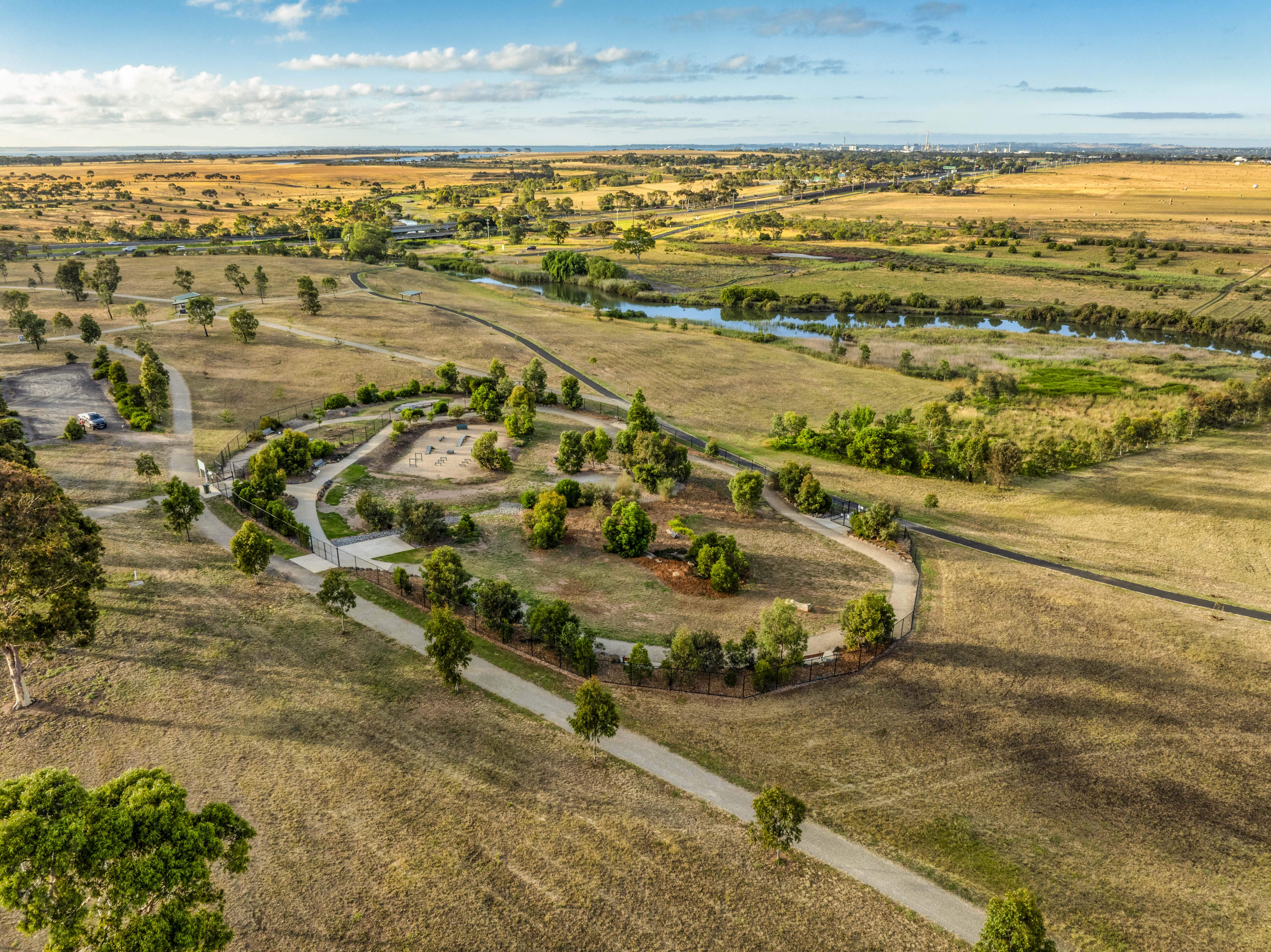
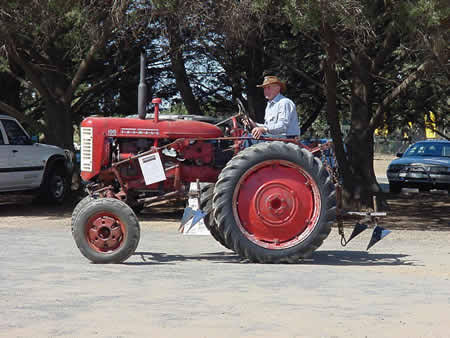
| Home and land | A weatherboard, a Kombi, a tractor at the show | Farmland to the horizon, and a reserve where paddocks were |
01 / The pairs
The shopping strip
The station
The shire
Community life
Home and land
02 / What the pairs show
Three things, over and over. First, the infrastructure barely moved while the town transformed around it — the station footprint, the level crossing, the roundabout are essentially the 1970s items carrying 2020s loads. Second, the horizon closed in: every westward view that once ended at the You Yangs now ends at a roofline. Third, the civic fabric thinned: an independent shire with its own chamber and its own decisions became one ward of eleven in a city of 300,000.
03 / What didn't change
The cairn is still at Six Ways. The historical society still meets. The footy club still trains on Tuesday. People still say "Six Ways". The things that survived fifty years of growth are the things people chose to keep — which is the argument for choosing deliberately, now, what the next fifty years keeps.
04 / Where the archive lives
The historical photographs here are a small sample. The Lara & District Historical Society holds far more — streets, shops, footy teams, houses going up — and welcomes both visitors and donations of family photographs. If a picture on your wall shows Lara before 1990, they'd like to know about it.
A town that can't see where it came from finds it very hard to decide where it's going.— David Greenwood OAM