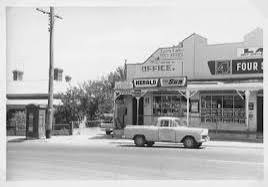
Growth areas lose their history quietly. A shopfront that's stood for eighty years gets flagged for redevelopment, and unless someone's already done the paperwork, there's often no formal reason it can't simply come down.
01 / What a heritage overlay actually does
A heritage overlay is a planning control in the Greater Geelong planning scheme that requires a planning permit before a protected building can be demolished, substantially altered, or have significant works done to it. It doesn't freeze a building in amber — internal changes and appropriate renovations can still proceed — but it forces a proper assessment before anything irreversible happens.
02 / What it doesn't do
Figure 01 · Overlay, not a lock
Require assessment first
- Trigger a planning permit before demolition or major external change
- Allow council to weigh heritage value against a proposal
- Create a public record of why a place matters
Guarantee preservation
- Automatically refuse every permit application
- Cover a building unless someone has actually nominated and assessed it
- Apply retrospectively to something already demolished
03 / How a building actually gets protected
A heritage overlay doesn't appear automatically — someone has to nominate the place, a heritage assessment (usually by a qualified heritage consultant) has to establish its significance, and council has to formally adopt the overlay through an amendment to the planning scheme. That's a real process with real cost, which is exactly why community heritage groups — like the Lara & District Historical Society — matter: they do the groundwork that individual residents usually can't.
04 / What makes a place "significant"
Heritage assessment isn't a matter of a building simply being old. Victorian heritage practice assesses places against established criteria, and understanding them explains why some genuinely old buildings aren't protected while some relatively recent ones are.
Figure 02 · The assessment criteria, in plain terms
| Criterion | What it actually asks |
|---|---|
| Historical significance | Is the place important to the course or pattern of the area's history? A former shire office qualifies on this basis regardless of architectural merit. |
| Rarity | Does it show an uncommon or endangered aspect of local heritage? Rarity increases as similar buildings are demolished elsewhere. |
| Research potential | Could the place yield information contributing to understanding of local history? |
| Representativeness | Is it a good, intact example of a class of place — a particular era of shopfront, farmhouse or civic building? |
| Aesthetic significance | Does it have design or architectural value, or contribute to a distinctive streetscape? |
| Social significance | Does the community have a strong, special attachment to it? This is the criterion where resident submissions carry the most weight. |
Social significance is the criterion most often underused. If a hall, shop or building genuinely matters to the community, documented community attachment is legitimate evidence — not sentiment to be dismissed.
05 / Growth areas and the demolition risk
The specific risk in a growth corridor is straightforward: land value rises, older buildings sit on larger blocks, and the arithmetic favours demolition and subdivision over retention. That pressure is strongest exactly where heritage buildings tend to be — the older, central parts of a township on generous allotments.
Without a heritage overlay, a demolition permit for a building not otherwise protected is often relatively straightforward to obtain. The building is usually gone before most residents know an application existed. This is why proactive heritage studies matter more in growth areas than settled ones: waiting until a demolition application appears is, in practice, waiting until it's too late.
06 / A heritage study, and why it's the real answer
Nominating individual buildings one at a time is slow, expensive and reactive. The more effective approach is a municipal or township-level heritage study — a systematic survey by qualified heritage consultants that identifies everything of potential significance in an area at once, and recommends which places warrant overlay protection.
The advantage is that it happens before development pressure lands on any particular site, so decisions are made on heritage merit rather than in the middle of a contested permit application. The disadvantage is cost — a heritage study is a genuine capital line item, which is exactly why they get deferred in favour of things with more immediate visibility. Making the case for one is a real advocacy task, not a formality.
07 / Heritage isn't only buildings
Other heritage in the ward
- Aboriginal cultural heritage — protected under separate and stronger legislation, with Wadawurrung Traditional Owners as the appropriate authority
- Landscape and tree heritage — significant avenues, remnant vegetation and individual trees can be protected
- Rail and industrial heritage — station buildings, silos and infrastructure that shaped the town's development
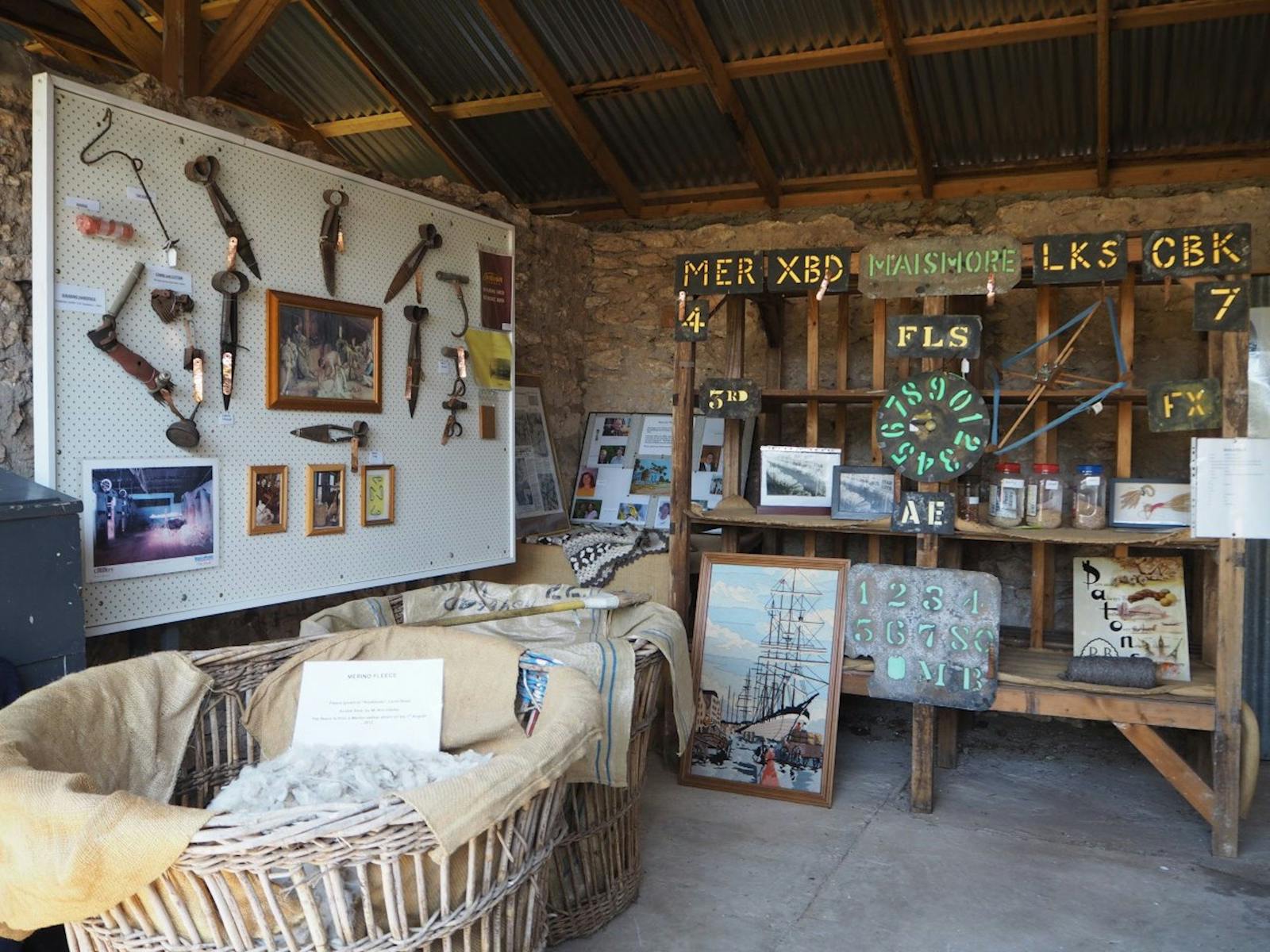
- Movable heritage — the collections held by local historical societies, which have no planning protection at all
Aboriginal cultural heritage is different
- Governed by the Aboriginal Heritage Act, not the planning scheme's heritage overlay
- Cultural Heritage Management Plans may be required before ground disturbance in sensitive areas
- Wadawurrung Traditional Owners Aboriginal Corporation is the Registered Aboriginal Party for this Country
- Protection applies whether or not anything is visible on the surface
08 / What residents can actually do
A town that's grown this fast doesn't get many chances to keep the buildings that tell you where it came from.— David Greenwood OAM