Most people who drive past the You Yangs know it as a lookout, a parkrun course, or the mountain that appears on the horizon from half of Lara's backyards. Fewer know its Wadawurrung name, Wurdi Youang, or the depth of what it means to the Traditional Owners of this Country.
01 / Wurdi Youang
The Wadawurrung people are the Traditional Owners of the land encompassing the You Yangs, Geelong, and much of the surrounding region. The ranges hold deep cultural, spiritual and historical significance — a landscape actively cared for and connected to Wadawurrung culture for tens of thousands of years before European settlement, not a wilderness that happened to be nearby.
02 / What's changed, and what hasn't
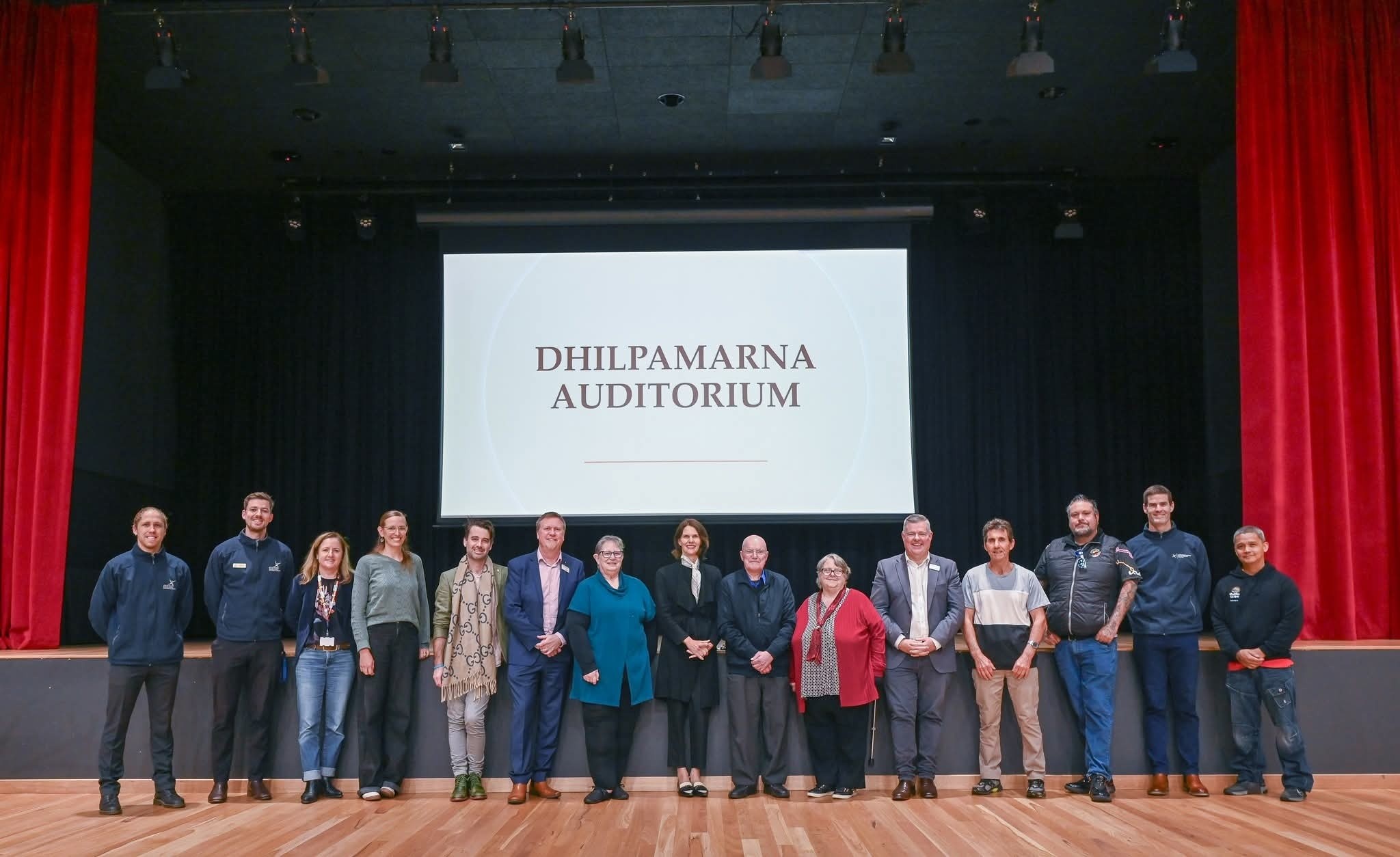
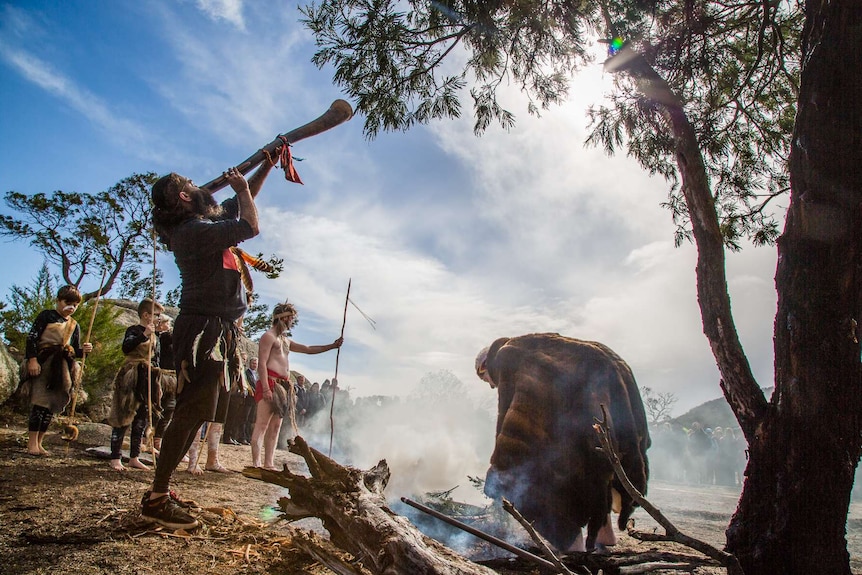
Recent years have seen a genuine, if overdue, shift toward Wadawurrung involvement in how sites like the You Yangs are named, managed and interpreted — the naming of Dhilpamarna Auditorium at Norlane ARC in partnership with Wadawurrung Traditional Owners is a recent, local example of that shift in practice, not just in language. It's part of a broader pattern across Victoria of councils and land managers working directly with Traditional Owner groups rather than making decisions about Country without them.
Figure 01 · What genuine partnership looks like
03 / What this means locally
For a council candidate, this isn't a symbolic add-on to a policy platform — it's a practical commitment to consulting Wadawurrung Traditional Owners Aboriginal Corporation properly and early on any decision affecting the You Yangs or other significant sites in the ward, the same way the Dhilpamarna naming process worked. Getting that right the first time, rather than as an afterthought, is the standard worth holding council to.
04 / Cultural heritage protection, in practice
Aboriginal cultural heritage in Victoria is protected under the Aboriginal Heritage Act, which operates separately from — and in important respects more strongly than — the planning scheme's heritage overlay provisions. It applies whether or not anything is visible on the surface, which is a critical distinction: the absence of a visible site does not mean the absence of cultural heritage.
In practice, this means development in areas of cultural heritage sensitivity can require a Cultural Heritage Management Plan (CHMP) prepared in consultation with the Registered Aboriginal Party — for this Country, the Wadawurrung Traditional Owners Aboriginal Corporation. That's not an obstacle to development; it's a process for ensuring development doesn't destroy something irreplaceable without anyone having looked.
Figure 02 · Two separate systems
| Heritage overlay (planning scheme) | Aboriginal Heritage Act | |
|---|---|---|
| Covers | Buildings, streetscapes, trees, precincts | Aboriginal places, objects and ancestral remains |
| Requires | A planning permit before demolition or major works | A Cultural Heritage Management Plan in areas of sensitivity |
| Decision-maker | Council (appealable to VCAT) | Registered Aboriginal Party, with First Peoples – State Relations |
| Applies when | The place has been assessed and overlay applied | By area sensitivity — no prior individual listing needed |
The second column protects what has been noticed and formally assessed. The third protects Country whether or not anyone has yet noticed what's there — which, given how much was destroyed before either system existed, is the more important safeguard.
05 / What "caring for Country" actually involves
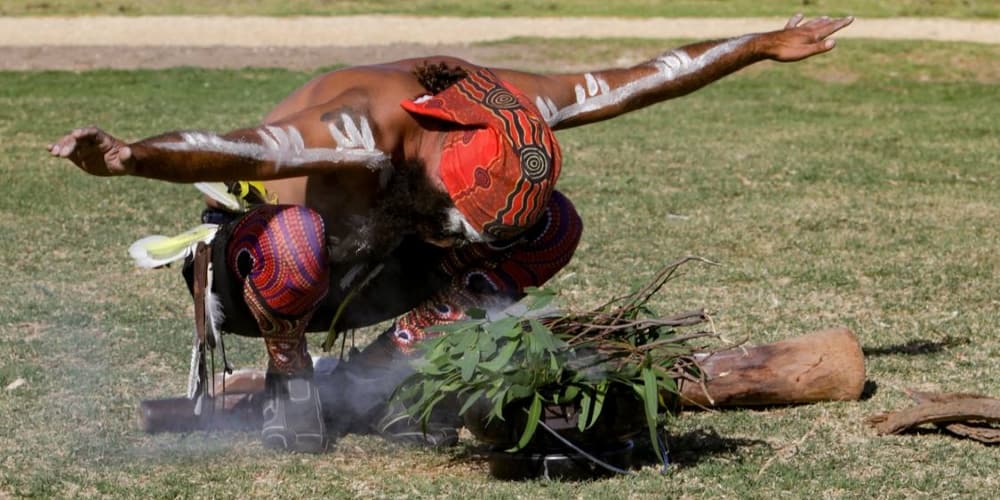
Traditional Owner land management is not a ceremonial add-on to conventional park management. It involves specific practices with measurable ecological outcomes — cultural burning being the most widely discussed, but also waterway care, revegetation using appropriate species, and monitoring that draws on knowledge held across generations.
Cultural fire in particular is worth understanding properly. It is not the same as hazard-reduction burning: it's typically cooler, patchier, timed to specific seasonal indicators, and aimed at ecological outcomes as much as fuel reduction. In a landscape like the You Yangs — genuinely fire-prone, ecologically significant, and adjacent to growing residential areas — the case for Wadawurrung-led fire management being part of the picture is both cultural and practical.
06 / Naming, and why it isn't symbolic
It's tempting to treat dual naming and place-name restoration as gestures. In practice they do something concrete: they make the older layer of a landscape's history visible in everyday use, which changes what people know about where they live. A child who grows up hearing Wurdi Youang alongside You Yangs grows up with a different understanding of the place than one who never hears it.
The Dhilpamarna Auditorium naming at Norlane ARC is a good local template for how this should work: the name was chosen with Wadawurrung Traditional Owners rather than selected and then presented for approval, its meaning — "to clap your hands" — was genuinely fitting for the building's purpose, and the process happened before the building opened rather than being retrofitted afterwards.
Genuine partnership
- Traditional Owners involved before decisions are framed
- Names chosen for meaning and appropriateness, with cultural authority
- Interpretation written by, not merely approved by, Traditional Owners
- Resourced properly — consultation takes time and expertise
Consultation as a formality
- A decision made, then sent for endorsement
- A name selected for aesthetic appeal without cultural process
- Acknowledgment of Country recited while decisions about Country are made without consultation
- Unpaid expectation of Traditional Owner input on short timeframes
07 / The honest position
I'm not the right person to tell Wadawurrung history — that's for Wadawurrung people to tell, and I'd rather point readers to Wadawurrung Traditional Owners Aboriginal Corporation than paraphrase what isn't mine to explain. What I can commit to is the process: consultation from the start on any decision affecting significant places in this ward, proper resourcing for that consultation, support for Wadawurrung-led land management in the You Yangs, and using Wadawurrung place names as a matter of course rather than as a special occasion.