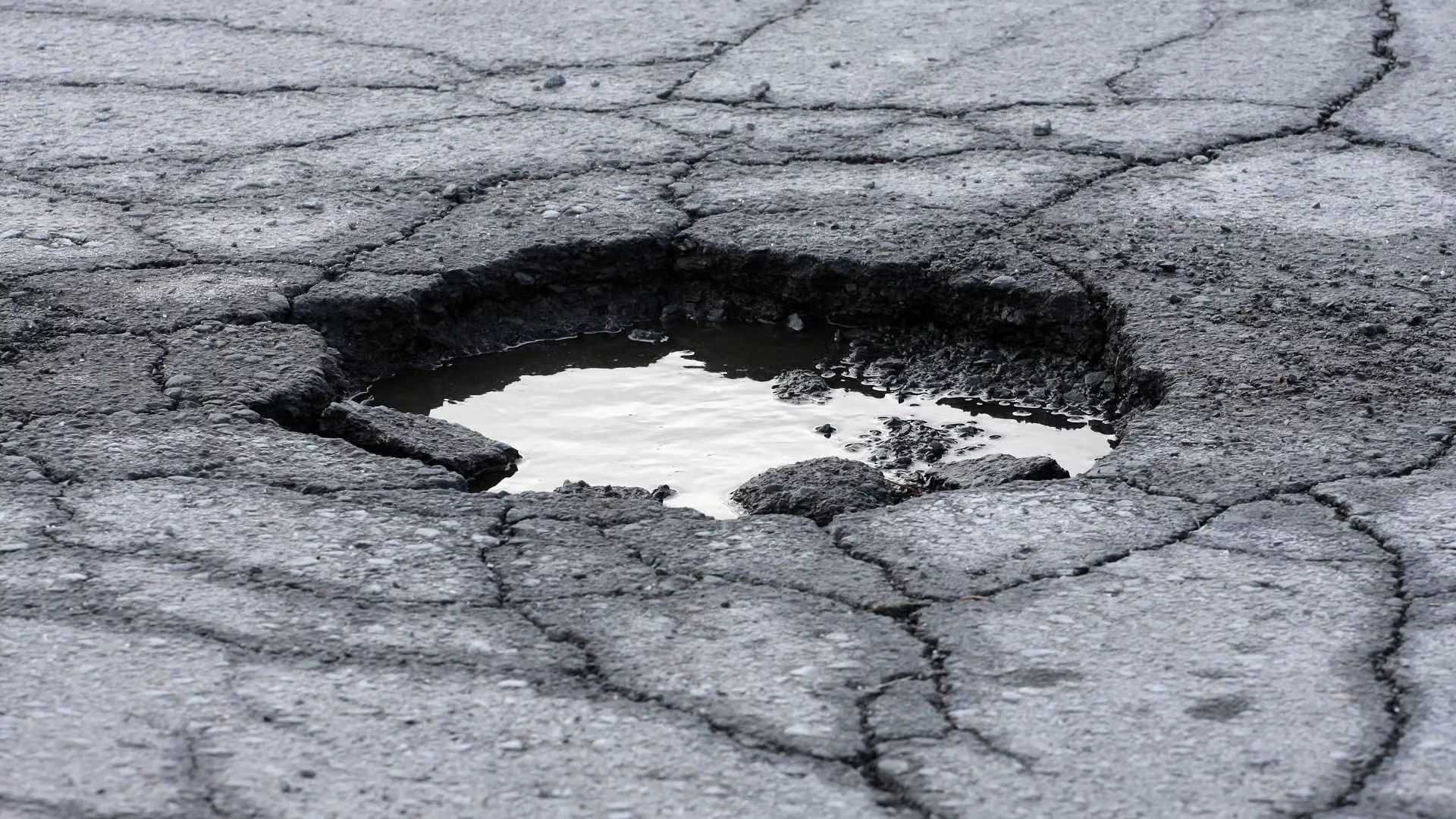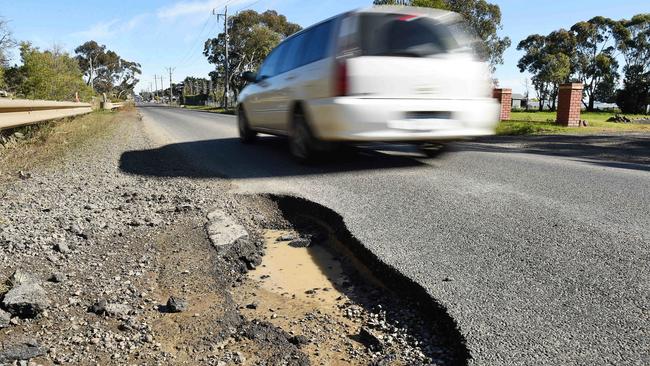
Ask a road engineer the cheapest time to fix a pothole and they'll tell you: about eighteen months before it exists. That's not a joke. It's the entire basis of asset management, and it's why the difference between a well-run road network and a crumbling one isn't the budget — it's the timing.
01 / The deterioration curve
Roads don't wear out evenly. A sealed road holds up well for most of its life, then falls apart fast at the end. Engineers describe it as a curve: roughly the first 75% of a road's condition decline happens over the first 40% of its life; the remaining decline happens in a rush. Intervene on the gentle slope and you're resealing. Wait until the steep bit and you're rebuilding.
Figure 01 · The cost of waiting
Same road, four intervention points.
| Stage | What you see | Treatment | Indicative cost per m² |
|---|---|---|---|
| Year 0–5 | Nothing wrong | Nothing | $0 |
| Year 6–10 | Fine surface cracking | Crack seal / reseal | $8–$15 |
| Year 11–14 | Potholes, edge break, patches | Mill and resurface | $40–$70 |
| Year 15+ | Base failure, rutting, water ingress | Full reconstruction | $150–$300+ |
Indicative only — real costs depend on traffic, drainage and pavement type. The shape of the curve, not the exact numbers, is the point: each step up is roughly 4–5× the one before.
02 / Why councils get stuck at the expensive end
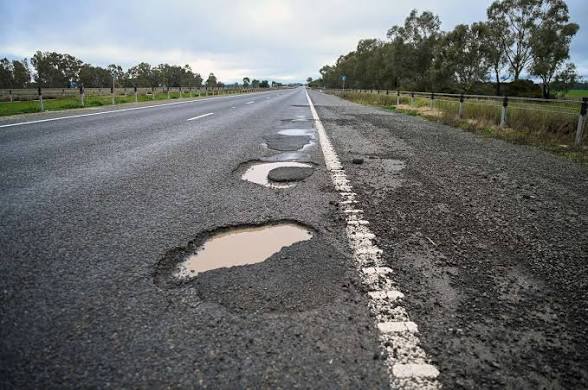
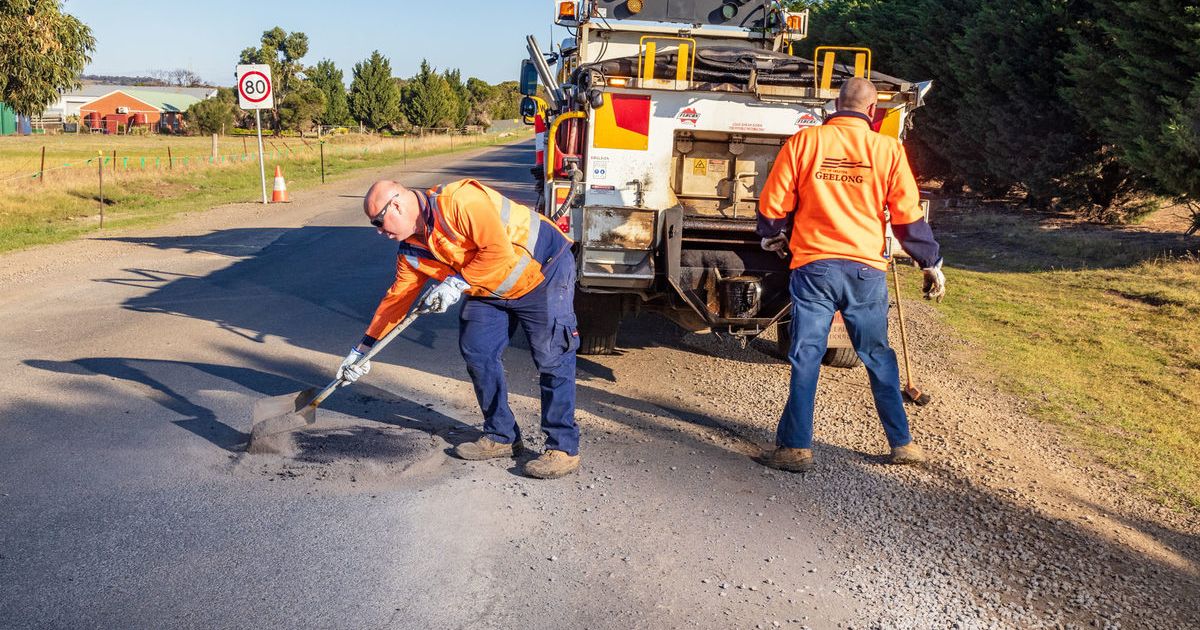
Because resealing a road that looks fine is politically invisible and rebuilding a road that's failed is politically visible. Nobody rings a councillor to complain a road was resealed too early. Everyone rings when a pothole eats a tyre. So the pressure — budget and political — pushes spending toward the roads already failing, which is exactly the most expensive place to spend it.
The result is a backlog that compounds. Every dollar spent on reconstruction is a dollar not spent on the cheap reseals that would have prevented the next reconstruction. Councils in this trap describe it as "chasing the failures" — and once you're in it, getting out costs more than staying in for a few more years, which is why most don't.
Preventive spending
- 70–80% of budget on reseals and crack sealing
- Roads treated before visible failure
- Reconstruction rare and planned
- Condition improves year on year at the same budget
Reactive spending
- Most of the budget goes to patching and rebuilds
- Reseals deferred to fund emergencies
- More roads tip into the expensive zone each year
- Condition declines at the same budget
03 / The ward's exposure
The You Yangs Ward has three features that make this worse than average. First, it has a lot of rural sealed road per ratepayer — Anakie, Little River and Staughton Vale carry kilometres of road serving relatively few properties. Second, heavy vehicles: quarry trucks, airport freight and agricultural traffic load rural pavements far beyond what they were designed for. Third, growth: Lara West construction traffic is chewing through roads like Patullos and O'Hallorans years before the upgrades that were meant to accompany the estates.
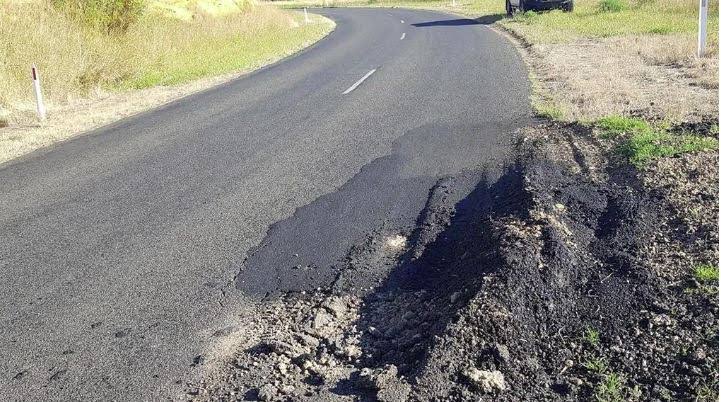
I'm not going to name specific roads as "failing" without the engineering condition data to back it — that's council's asset register, and it should be public. But drive Forest Road South, the western end of Patullos, or the Anakie–Staughton Vale road and you can see the patch-on-patch pattern that says a road is in the steep part of the curve.
04 / What I'd push for
- Publish the road condition register by ward. Council already rates every road segment. Residents should be able to see which roads are in which band.
- Ring-fence the reseal budget. Preventive maintenance shouldn't be the thing that gets raided to fund emergencies — that's how the trap closes.
- Heavy vehicle contributions. Quarries and freight operators using rural roads beyond their design load should contribute to renewal, as they do in other municipalities.
- Construction traffic conditions on new estates. Developers whose trucks destroy a road should fund its repair — written into the permit, not negotiated afterwards.
The cheapest pothole is the one you never let form. Everything after that is paying interest.— David Greenwood OAM