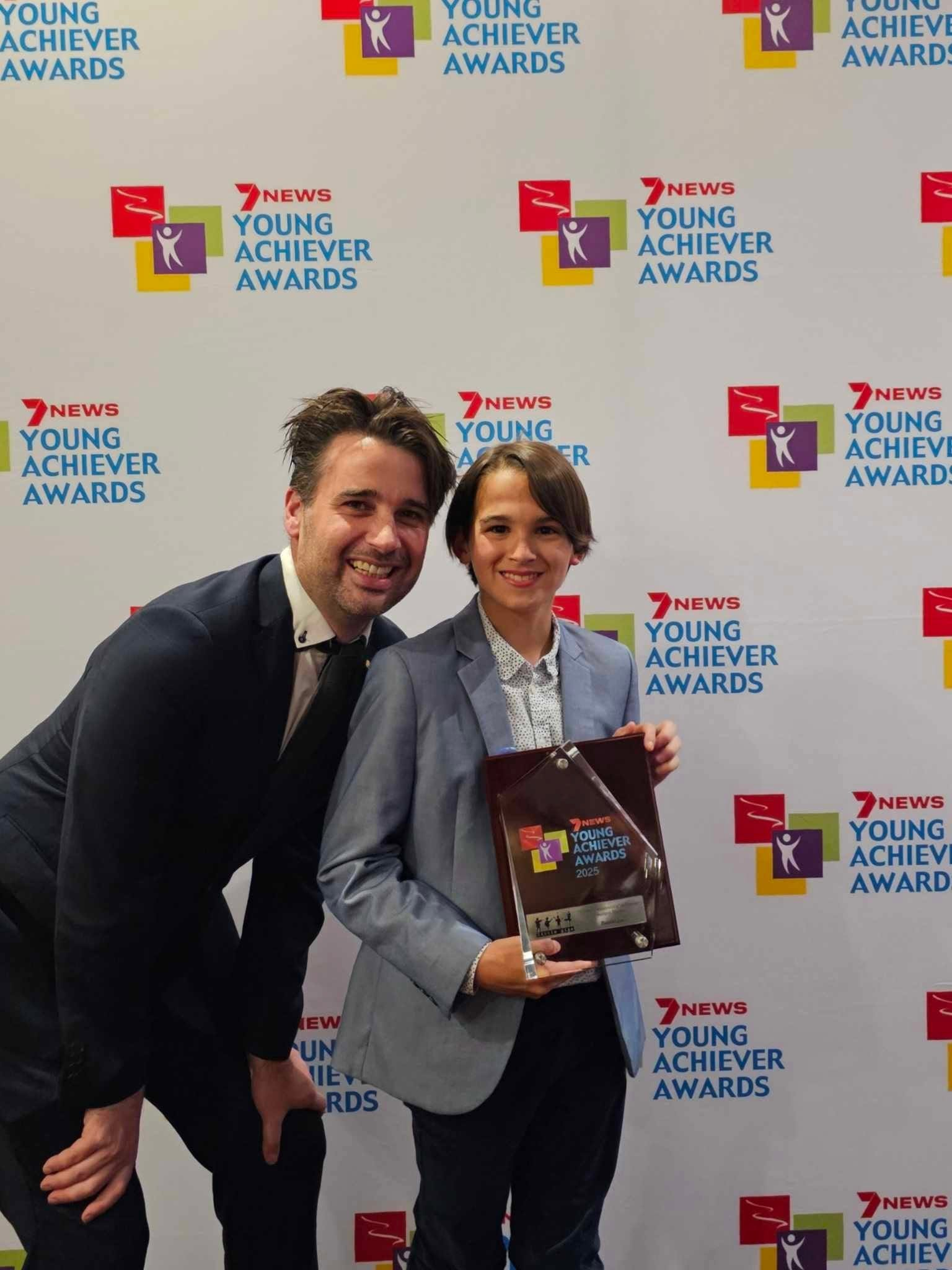
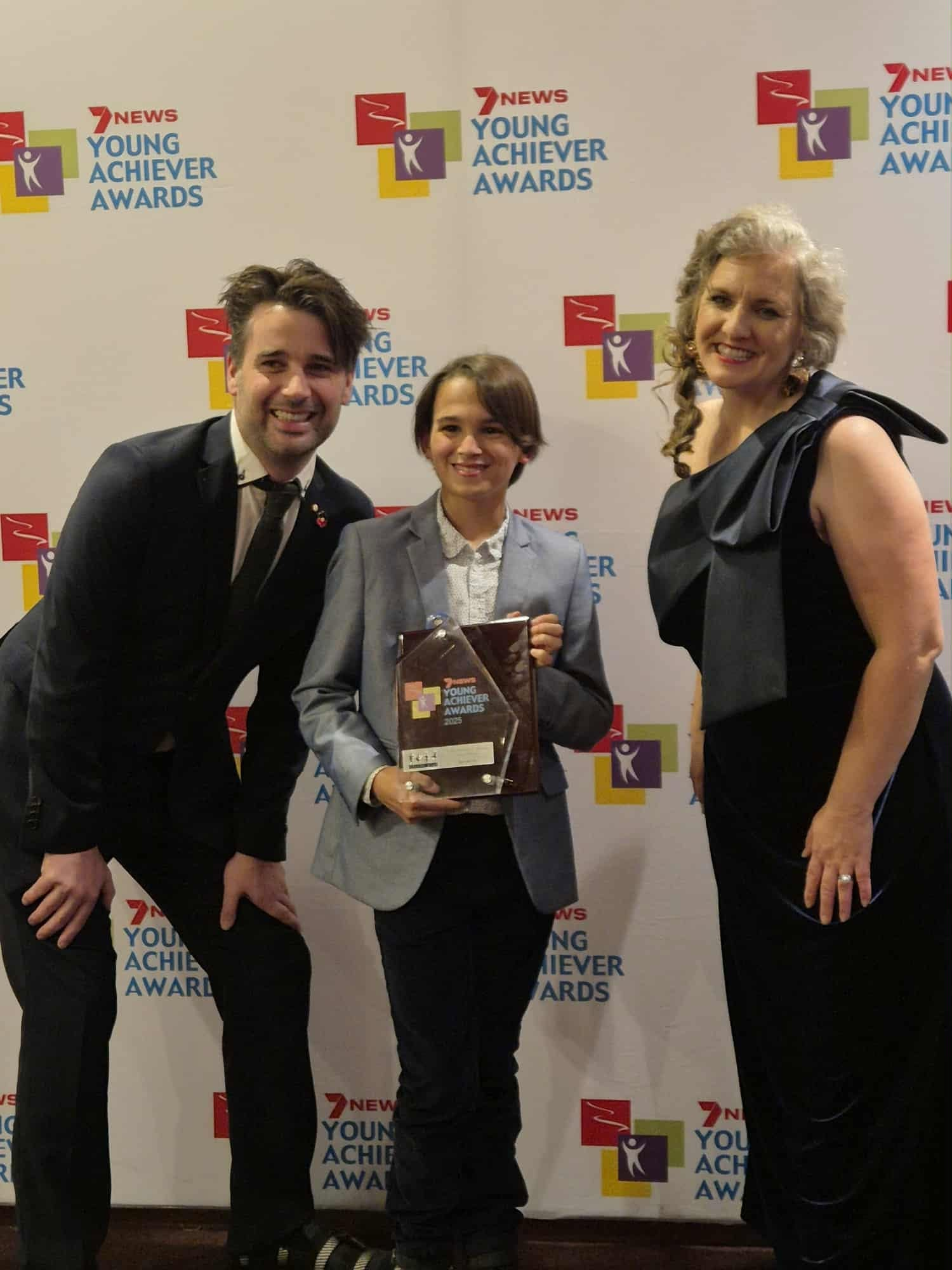
Last night I was proud to attend the Young Achiever Awards and see local legend Daniel take out the award. I was so proud to be able to nominate him, with thousands of other entries in the field.
Well done Daniel. We're in safe hands if our next generation is anything like you.
01 / The thing about nominationsAlmost nobody makes them.
Here's what I didn't understand until I'd done it a few times: the biggest barrier to a young person being recognised isn't merit. It's that nobody nominated them.
Awards like this attract thousands of entries, which sounds like a lot until you consider how many extraordinary young people there are across Victoria. The ones who get nominated are disproportionately the ones who happen to have an adult in their life who knew the award existed, had half an hour spare, and thought to write it up.
Figure 01 · Who gets nominated
Recognition follows connection, not just merit.
What we assume
The most outstanding young people rise to the surface and get recognised.
What actually happens
The young people with a connected adult willing to spend thirty minutes on a form get recognised. Plenty of equally outstanding ones never enter the pool.
Which means nominating someone isn't a formality — it's often the entire difference.
02 / What recognition doesMore than a trophy.
Figure 02 · Why it's worth the half hour
Four things an award actually changes.
| Effect | Why it matters |
|---|---|
| Evidence for the next opportunity | A scholarship application, a job interview, a leadership program. A recognised award is external validation a young person can point to. |
| Permission to take themselves seriously | Plenty of young people doing remarkable things assume it's ordinary. Being told publicly that it isn't changes what they think they're capable of. |
| A visible example locally | Other young people in the same town see someone like them recognised. That does more for aspiration than any campaign. |
| It tells them an adult noticed | Often the part that lands hardest. Someone paid enough attention to write it down and send it in. |
The nomination costs you thirty minutes. For the young person, it can be the first time anyone outside their family has said in writing that what they do matters.— David Greenwood OAM
03 / The connectionWhy I keep writing about young people.
I've spent fifteen years running an organisation that depends on young people turning up. I've watched teenagers arrive with no confidence and leave running a crew. So when I write about what Geelong's teenagers don't have — the spaces, the transport, the first-job pathways — it isn't abstract policy interest.
Recognition sits in the same category. It's cheap, it's under-used, and it changes trajectories. A council can fund awards, promote nomination rounds, and make sure young people from every part of the municipality are in the pool rather than just the well-connected suburbs. None of that is expensive. All of it compounds.
Do you know a young person doing something remarkable? Nominate them. Genuinely — find the round, spend the half hour, write it up. And if you're not sure where to start or which award fits, send me their story and I'll help you work it out. Email david@centrestage.org.au with "Nomination" in the subject.