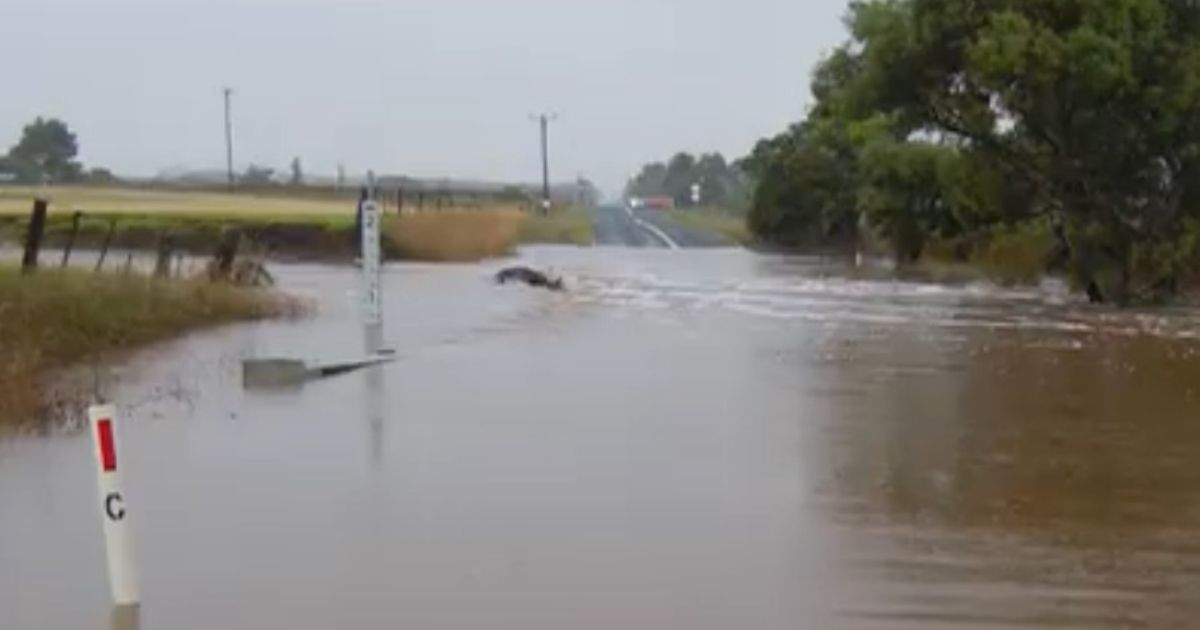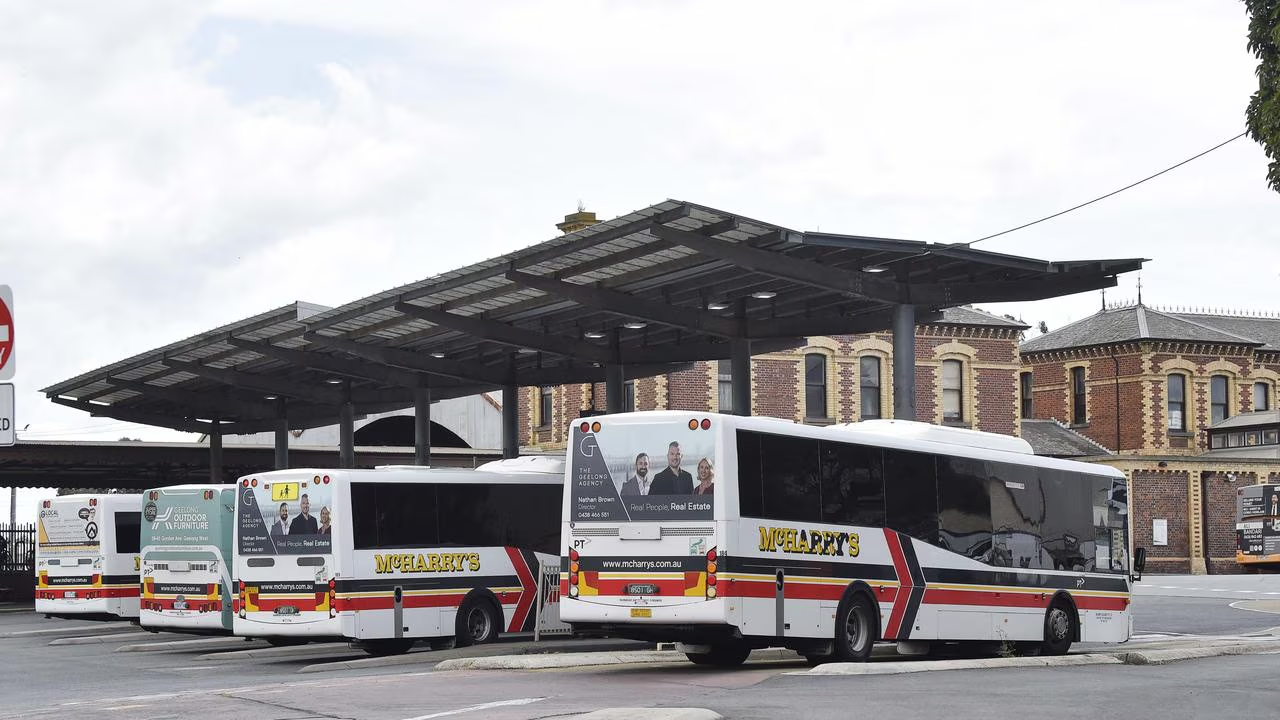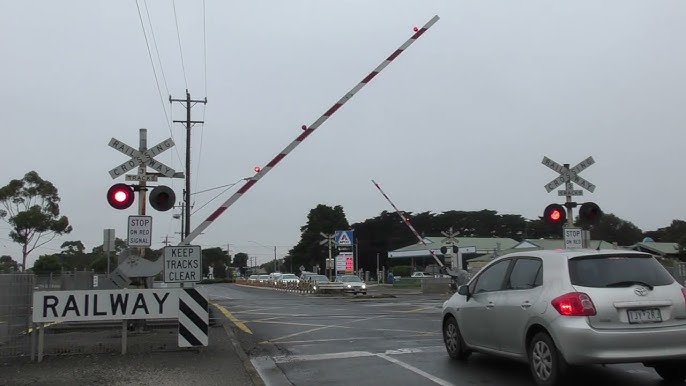
This one's been raised with me enough times that it's worth putting the whole picture in one place. Thank you to Craig Meddings for pushing me to actually write this up properly rather than just talking about it at the fence line — the question deserved a proper answer.
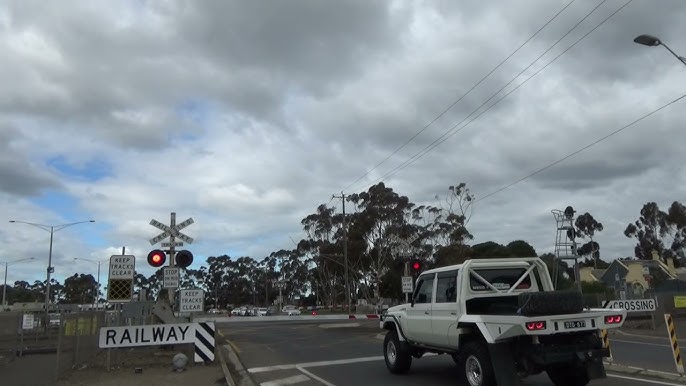
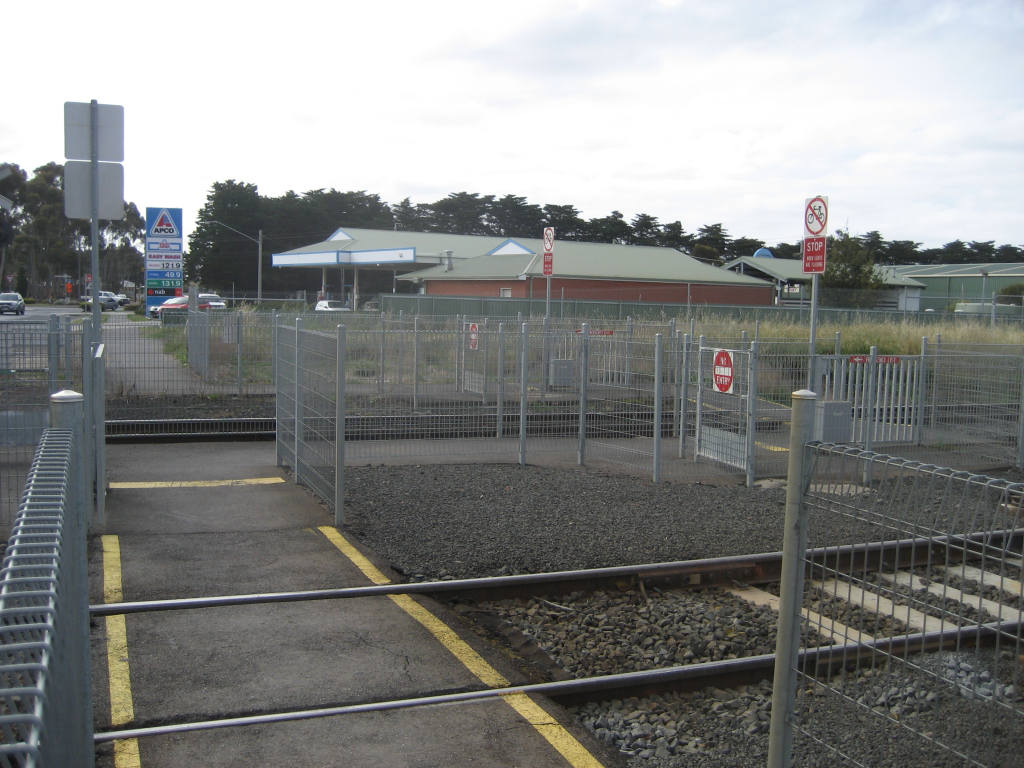
01 / The problemWhat actually happens when the boom gates come down.
The McClelland Avenue level crossing sits close to APCO, on the Geelong-to-Warrnambool line that also carries freight. When a train comes through — especially a slower freight service — the boom gates can stay down for five to ten minutes at a time. That's not a rare event; it happens throughout the day, every day, on both sides of peak hour.
Figure 01 · What one closure does
The knock-on effects of a single boom-gate closure.
None of these effects are hypothetical. They're the daily, observable pattern of a town built either side of a level crossing that was adequate decades ago and isn't now.
02 / Not a new complaintLara isn't the only Geelong-line crossing with this problem — and that's the point.
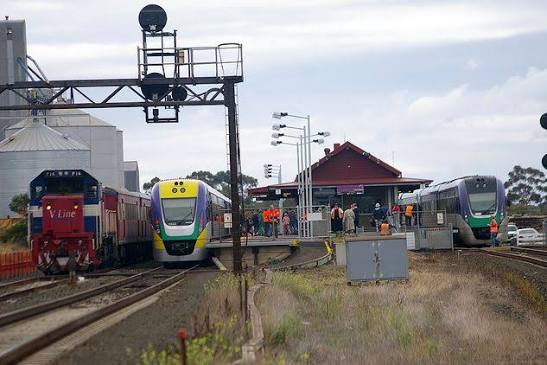
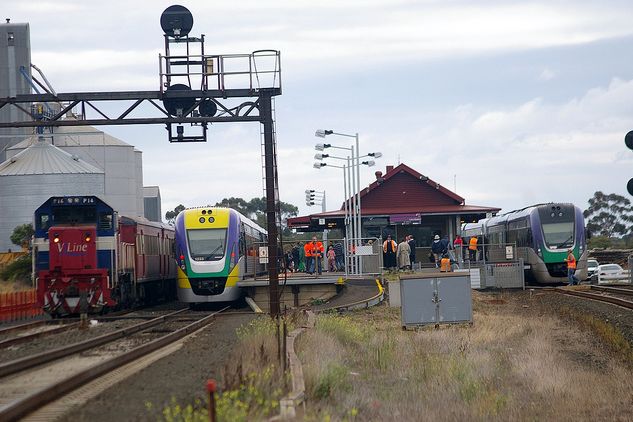
The Victorian Government has actively removed several level crossings along the Geelong line in recent years — Mount Derrimut Road at Deer Park, and Fyans Street in South Geelong, where the crossing sat inside a five-way roundabout and carried more than 14,000 vehicles a day. Those projects were funded because the crossings were judged dangerous and congested enough to justify the cost.
Lara's crossing carries the same basic risk profile — a residential town split by a live rail corridor, with roads and pedestrians converging on one pinch point — but it hasn't received the same treatment. When a fatal crash occurred at another Geelong-line level crossing, the Public Transport Users Association raised a pointed theory about why some crossings get funded and others don't: that crossings sitting in safe electorates are less likely to be prioritised than those in marginal seats, because governments have less political incentive to fix a problem where the seat isn't at risk. Lara sits within a long-held Labor state seat, which is exactly the kind of electorate that theory suggests gets pushed to the back of the queue.
I can't verify the government's internal reasoning, and no minister has ever confirmed that theory publicly. But it's a reasonable question to ask when a crossing this disruptive, in a town this size, hasn't been funded while comparable crossings elsewhere on the same line have.
03 / Has this been promised before?
There is no current, funded commitment from the Victorian Government to remove or upgrade the McClelland Avenue, Lara level crossing. It does not appear on the Big Build's list of funded Geelong Line Upgrade projects, which currently covers South Geelong to Waurn Ponds duplication works, the Fyans Street and Surf Coast Highway crossing removals, and station upgrades at South Geelong, Marshall and Waurn Ponds. If a commitment specific to Lara has been made in the past and later lapsed or was never formally funded, I'll update this page the moment I can point to a source — and if you have one, send it through.
03a / Who's actually responsible
Level crossing removal in Victoria is a state responsibility, not a council one. Funding, design and delivery sit with the Victorian Government, run through the Department of Transport and Planning and its Level Crossing Removal Project team — the same body responsible for Fyans Street, Deer Park and Diggers Rest. The City of Greater Geelong doesn't control this decision and can't fund it alone; it can advocate for it, but the cheque is written in Spring Street.
Locally, the seat covering Lara is the state electorate of Lara, represented by Ella George MP since the seat was created ahead of the 2022 state election. Responsibility for pursuing this crossing's removal with the Department of Transport and Planning sits with the sitting Member for Lara and the relevant Minister for Transport Infrastructure. I'm not aware of any public, dated commitment from either to remove or upgrade this specific crossing — I've searched for one and can't find it. If that changes, or if I've missed something on the record, I'll correct this section immediately with the source.
What I can say with confidence: Lara has gone without this fix for years under successive state governments and successive local members, regardless of party. That's not a partisan point — it's the actual timeline. The question worth putting directly to whoever holds the seat, now and at each election, is simple: is McClelland Avenue funded, and if not, why not, and when.
04 / What actually fixes it
Level crossing removal in Victoria almost always means one of two things: a rail-over-road bridge (the rail line elevated, road traffic passes underneath) or a road-over-rail bridge (the road elevated, rail passes underneath). Both permanently remove the boom-gate delay because road and rail no longer share the same ground-level space.
Figure 02 · The realistic options
What a fix at McClelland Avenue could look like.
Full removal
- Elevates either the road or the rail line so they never intersect
- The standard, permanent fix used at Fyans Street, Deer Park and Diggers Rest
- Removes the delay entirely — not a mitigation, an elimination
- Significant capital cost and multi-year construction timeline
While waiting for full funding
- A signalised pedestrian refuge point away from the immediate crossing, so people aren't forced to cross in gaps between queued traffic
- Traffic signal timing changes at the adjoining roundabouts to clear queues faster once gates lift
- A published, funded commitment to a removal date — even a distant one — so the town knows it's not being ignored indefinitely
Grade separation is the only fix that actually solves the problem. Everything else is management of a problem that keeps recurring every single day.
05 / Why this matters beyond traffic
Congestion is an inconvenience. A town split in two with no way for an ambulance or fire truck to reach the other side during a closure is a safety risk. If someone on the far side of the tracks from Lara's ambulance or CFA response is having a medical emergency during a ten-minute closure, that's not a hypothetical delay — it's minutes that matter added onto an already time-critical response. That's the argument that should carry the most weight with anyone assessing Lara's crossing against a state funding list, and it's the argument I intend to keep making.
A town cut in half by a boom gate isn't a traffic story. It's a safety story that happens to also be a traffic story.— David Greenwood OAM
I'll keep pushing this one, and I'll update this page as soon as there's anything concrete to report — a funding commitment, a design study, or a minister's answer on the record.